
No products in the cart.
 All Categories


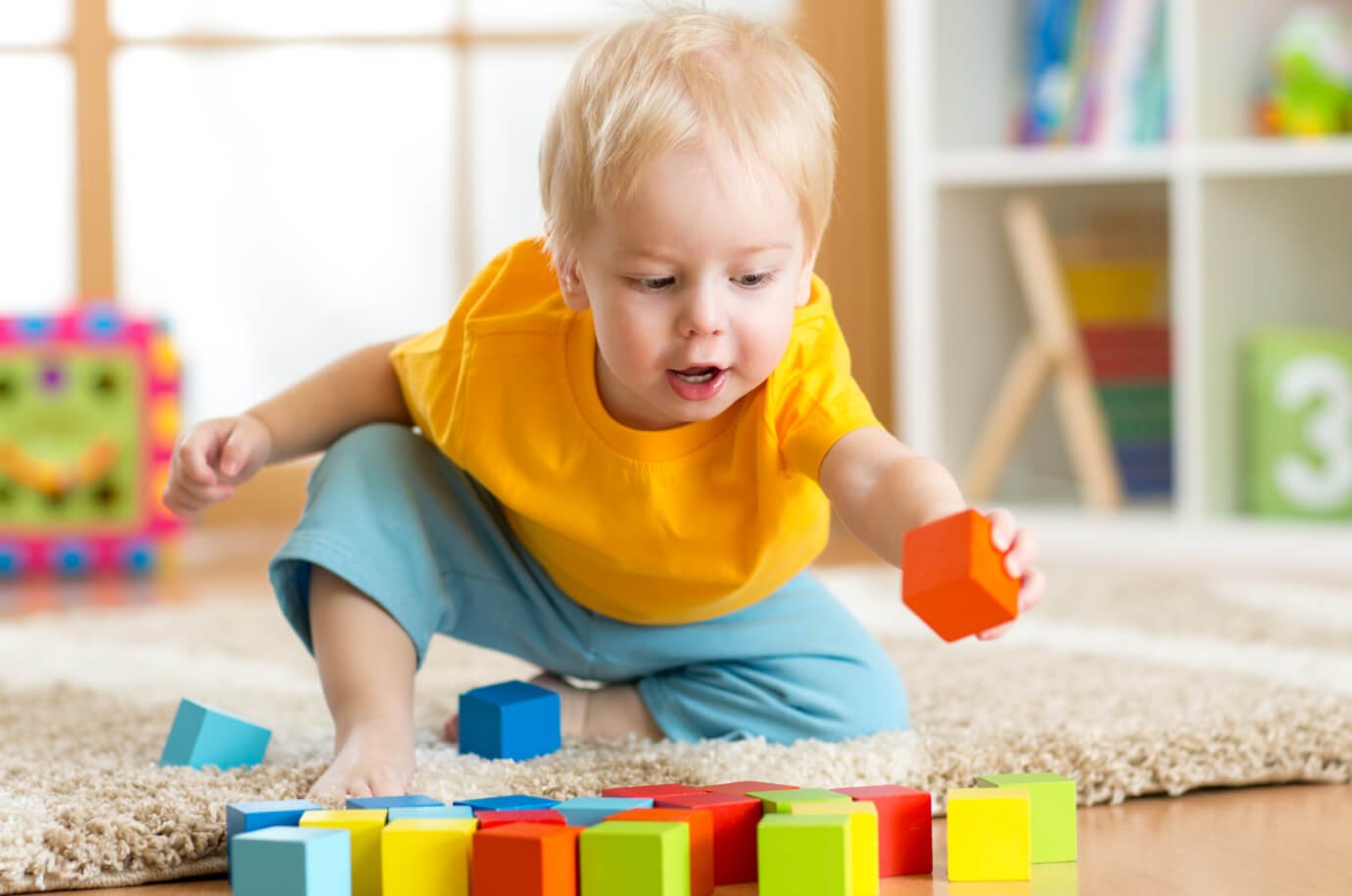
Children learn something new every day. From identifying colours and shapes to solving puzzles and building structures, everyday play creates opportunities for discovery. One of the best ways to make these experiences meaningful is through educational toys.
Educational toys for kids are designed to combine entertainment with learning. They encourage children to explore, experiment, think creatively and develop essential skills while having fun.
Whether it is a colourful shape sorter, a wooden puzzle, building blocks or a brain-teasing game, the right learning toy can turn ordinary playtime into an exciting learning experience.
In this guide, we will explore the importance of educational toys, their benefits, different types of learning toys and how parents can choose the right toys for their children’s age and development.
Educational toys are play materials designed to encourage learning and skill development through interactive activities.
Unlike toys that focus only on entertainment, educational toys introduce children to concepts such as numbers, letters, colours, shapes, patterns, logic, creativity and problem-solving.
These toys allow children to learn through hands-on experiences rather than simply memorising information.
Some popular examples include:
The best educational toys are those that make children curious, encourage experimentation and offer opportunities to learn at their own pace.
Educational toys offer several opportunities for children to develop important abilities through everyday play.
Puzzles, stacking games and brain teasers encourage children to think logically and find solutions.
For example, when solving a wooden puzzle, a child needs to identify the correct shapes, understand how pieces fit together and try different combinations.
These activities encourage logical thinking, patience and independent problem-solving.
Building blocks, construction toys and creative playsets give children the freedom to experiment and create something of their own.
They can build houses, towers, vehicles and imaginary structures.
Open-ended toys are particularly useful because there is no single correct way to play. Children can explore different ideas and express their imagination.
Fine motor skills involve using the small muscles in the hands and fingers.
Educational toys such as shape sorters, puzzles, stacking blocks and bead activities encourage children to pick up, move, arrange and connect objects.
These simple activities provide opportunities to practise hand-eye coordination and finger control.
Games involving patterns, sequences, matching and strategy help children recognise relationships between objects and understand how things work.
For example, matching games encourage children to identify similarities, while strategy games introduce concepts such as planning and decision-making.
These activities make thinking an enjoyable part of playtime.
Educational toys can introduce children to important foundational concepts.
Alphabet toys help children become familiar with letters, number games introduce counting, and shape-sorting activities encourage recognition of basic geometric shapes.
Learning through interaction can make these concepts easier and more enjoyable to explore.
Completing a puzzle, solving a brain teaser or building a tall tower requires attention and persistence.
Children learn that some activities take time and that trying again is part of the process.
These experiences encourage concentration, patience and confidence.
Board games, family puzzles and multiplayer activities encourage children to interact with others.
They provide opportunities to practise communication, sharing, cooperation and taking turns.
Playing together can also create valuable family bonding moments.
Different educational toys support different types of learning. Here are some popular categories worth exploring.
Wooden puzzles and shape-sorting toys introduce children to colours, shapes, patterns and spatial awareness.
They encourage children to identify different pieces and understand how they fit together.
<https://hellotoys.in/product-category/cubes-and-puzzles/>
Building blocks allow children to experiment with structures, balance, shapes and creative designs.
Children can build towers, bridges, buildings and imaginative creations while exploring basic engineering concepts.
<https://hellotoys.in/product-category/toddler-toys/>
Brain games are designed to challenge thinking and encourage logical reasoning.
Popular examples include:
These games are enjoyable for older children, teenagers and even adults.
<https://hellotoys.in/product-category/cubes-and-puzzles/>
Board games provide opportunities to learn through interaction.
They can encourage strategic thinking, decision-making, communication and healthy competition.
Family-friendly games are also a great way to spend quality time together.
STEM stands for Science, Technology, Engineering and Mathematics.
STEM toys introduce children to basic scientific and engineering concepts through practical activities.
Building sets, construction kits and science-based toys can encourage curiosity and experimentation.
Children develop different interests and abilities as they grow. Choosing age-appropriate toys helps ensure that play remains enjoyable, safe and engaging.
| Age Group | Recommended Educational Toys |
|---|---|
| 0–2 Years | Soft sensory toys, stacking rings, large shape sorters |
| 3–5 Years | Wooden puzzles, building blocks, alphabet and number toys |
| 6–8 Years | Matching games, board games, construction toys and logic puzzles |
| 9–12 Years | Advanced puzzles, STEM kits, chess and brain games |
| 13+ Years | Speed cubes, complex brain teasers, strategy games and advanced puzzles |
Always check the manufacturer’s recommended age, product specifications and safety information before purchasing a toy.
With so many options available, selecting the right educational toy can feel overwhelming.
Here are a few things parents should consider.
1. Consider Your Child’s Age
Choose toys that match your child’s age, abilities and interests. Toys that are too difficult may cause frustration, while toys that are too simple may not provide enough challenge.
2. Focus on Learning Through Play
Choose toys that encourage children to explore, experiment and discover new things naturally.
3. Look for Safe and Durable Materials
Check the materials, construction quality, age recommendations and applicable safety information. Avoid toys with small detachable parts for children who may put objects in their mouths.
4. Encourage Creativity
Open-ended toys such as blocks, construction sets and puzzles provide multiple ways to play and create.
5. Balance Fun and Learning
A toy should not feel like homework. Children are more likely to enjoy activities that are entertaining and engaging.
Both educational and traditional toys have a place in childhood. The difference generally lies in their primary purpose and play experience.
| Educational Toys | Traditional Toys |
|---|---|
| Encourage specific learning opportunities | Primarily focus on entertainment |
| Support logical thinking and creativity | Encourage imaginative play |
| Often involve problem-solving activities | May involve simple or repetitive play |
| Can introduce numbers, shapes and patterns | May focus on storytelling or pretend play |
However, the categories can overlap. Many traditional toys also support creativity, imagination and social development.
The most important thing is to provide children with a variety of enjoyable play experiences.
Children today have access to smartphones, tablets and digital entertainment from an early age.
While technology can offer learning opportunities, physical toys provide a different kind of experience.
Puzzles, blocks, board games and hands-on activities encourage children to interact with real objects, explore different solutions and engage with family members.
Screen-free play can also create opportunities for movement, creativity and social interaction.
Parents can introduce a simple daily play routine that includes puzzles, building activities, board games and imaginative play.
Some popular options include wooden puzzles, building blocks, shape sorters, STEM kits, board games and brain teasers. The best choice depends on the child’s age, interests and developmental stage.
Children can start exploring age-appropriate learning toys from infancy. Simple sensory toys, stacking activities and large shape sorters can introduce early learning experiences.
Educational toys provide opportunities to practise memory, problem-solving, logical thinking, creativity and coordination. Their benefits depend on the child’s engagement and the type of activity.
Absolutely. Older children can enjoy advanced puzzles, Rubik’s cubes, chess, STEM kits and strategy games that offer more complex challenges.
Wooden puzzles, building blocks, matching games, number-learning toys and age-appropriate board games are popular choices for five-year-old children.
Not necessarily. Both materials can be suitable when products are well-made and age-appropriate. Parents should consider safety, durability, design and the learning experience rather than choosing based only on material.
There is no single ideal duration. Parents can offer regular opportunities for play based on their child’s age, interests and daily routine. The quality of engagement matters more than a fixed amount of time.
Learning does not always have to happen in a classroom. Sometimes, it begins with a simple puzzle, a tower of building blocks or a challenging brain game.
The right educational toys can make playtime more meaningful by encouraging children to explore, create, experiment and discover new possibilities.
At Hello Toys, we believe that play and learning go hand in hand. Our collection brings together exciting toys, puzzles and brain games designed to make everyday play more engaging for children and families.
Explore the world of fun and learning at Hello Toys and discover toys that make every playtime special.
Play. Learn. Explore. Grow.


Leave a comment